 By admin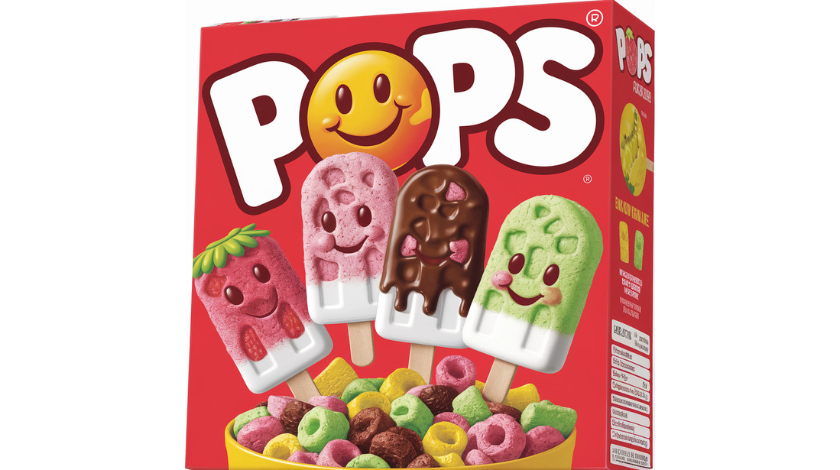
When someone mentions Pops cereal, they are usually referring to Kellogg’s Corn Pops, one of the most recognizable sweetened corn cereals in North America. Known for its crunchy, puffed corn kernels and lightly glazed sweet coating, Corn Pops has been a breakfast favorite for generations. Unlike flake cereals or oat-based products, Corn Pops delivers a unique texture that combines crispness with a satisfying chew once it begins absorbing milk. That distinctive eating experience has helped the cereal remain relevant despite changing consumer preferences and an increasingly competitive breakfast aisle.
Corn Pops has always appealed to both children and adults. Kids are naturally drawn to its sweet flavor and fun shape, while many adults continue purchasing it because it reminds them of childhood breakfasts. Nostalgia plays a major role in the cereal’s continued popularity, but taste is equally important. The cereal balances sweetness without becoming overwhelmingly sugary, allowing it to function as both a breakfast food and an occasional snack. Many people even enjoy eating Corn Pops directly from the box without adding milk.
Today, WK Kellogg continues to market Corn Pops in several package sizes, making it widely available through grocery stores, warehouse clubs, and online retailers. According to the manufacturer’s current product information, Corn Pops is made from milled corn with added vitamins and minerals, helping provide nutrients such as iron, thiamin, riboflavin, vitamin B6, folate, and vitamin D.
The History of Corn Pops
The story of Corn Pops stretches back more than seven decades. The cereal first appeared in 1951 under the name Sugar Pops, reflecting its sweet taste and target audience. During the following decades, the brand became one of Kellogg’s signature breakfast cereals alongside Corn Flakes, Rice Krispies, Frosted Flakes, and Froot Loops. As consumer attitudes toward nutrition evolved, the product underwent several name changes. It was briefly marketed as Corn Pops, then simply Pops, before eventually returning to the now-familiar Corn Pops branding that consumers recognize today.
These branding changes reflected more than simple marketing decisions. Food manufacturers across the breakfast cereal industry increasingly shifted away from emphasizing sugar in product names as consumers became more health-conscious. By highlighting corn rather than sweetness, the company positioned the cereal as a broader family breakfast option while maintaining its familiar flavor profile. Despite these adjustments, the cereal’s distinctive puffed shape and lightly glazed coating remained largely unchanged, allowing longtime fans to continue enjoying the product they remembered.
Corn Pops has also evolved alongside the breakfast market itself. Traditional boxed cereals face stronger competition today from yogurt, breakfast sandwiches, smoothies, protein bars, and ready-to-drink meal replacements. Industry analysts note that breakfast cereal sales have generally declined over the past two decades as eating habits have diversified. Even so, classic brands like Corn Pops continue to occupy an important place in supermarket shelves because of their strong brand recognition and loyal customer base.
Ingredients and Nutrition
Understanding what’s inside Corn Pops helps consumers decide whether it fits their dietary preferences. The cereal’s primary ingredient is milled corn, followed by sugar, corn syrup, and small amounts of molasses that contribute to its signature sweetness. The recipe also includes salt, vegetable oil, wheat starch, and added vitamins and minerals designed to enhance nutritional value. While the ingredient list reflects the cereal’s role as a sweetened breakfast food rather than a whole-grain health cereal, the added micronutrients provide meaningful nutritional support for many consumers.
A standard 1⅓-cup (40 g) serving currently provides approximately:
| Nutrient | Amount |
|---|---|
| Calories | 150 |
| Total Fat | 0 g |
| Carbohydrates | 36 g |
| Total Sugars | 15 g |
| Added Sugars | 15 g |
| Protein | 2 g |
| Sodium | 160 mg |
The cereal is also fortified with iron, vitamin D, thiamin, riboflavin, vitamin B6, vitamin B12, and folate, making it a source of several essential micronutrients. When served with milk, protein and calcium intake increase significantly, creating a more nutritionally balanced breakfast. Consumers should remember, however, that Corn Pops remains a sweetened cereal, meaning sugar intake should be considered within the context of an overall balanced diet.
Taste and Texture
One of the biggest reasons Corn Pops has remained popular for decades is its distinctive taste and texture. Unlike many cereals that become soggy almost immediately after milk is added, Corn Pops maintains its crunch for a longer period. Each puffed kernel has a lightly glazed exterior that delivers a pleasant sweetness while the inside remains airy and crisp. As the cereal gradually absorbs milk, it softens without completely losing its structure, creating a texture that many people find satisfying from the first spoonful to the last.
The flavor itself is simple but memorable. Corn Pops features a toasted corn base complemented by notes of caramel and light honey-like sweetness. It does not have the intense sugary coating found on some children’s cereals, making it appealing to adults as well. The cereal’s mild flavor also pairs well with different types of milk, including whole milk, skim milk, almond milk, oat milk, and soy milk. Some people even enjoy sprinkling fresh berries or sliced bananas over a bowl to introduce natural sweetness and additional nutrients.
Another characteristic that sets Corn Pops apart is its versatility. Although designed as a breakfast cereal, many consumers eat it straight from the box as a snack. Because the pieces are relatively large and stay crunchy, they travel well in reusable containers for school lunches, road trips, or office snacks. Parents often appreciate this convenience because it provides children with an easy, portion-controlled alternative to chips or candy. While Corn Pops is certainly sweeter than many whole-grain cereals, its familiar flavor and enjoyable texture explain why it continues attracting both new customers and lifelong fans.
Health Benefits and Drawbacks
Like many ready-to-eat breakfast cereals, Corn Pops offers both advantages and limitations from a nutritional perspective. One of its strongest benefits is convenience. Preparing breakfast takes only a few moments, making the cereal especially useful for busy mornings when families need a quick meal before work or school. Because it is fortified with essential vitamins and minerals, Corn Pops contributes nutrients such as iron, folate, several B vitamins, and vitamin D. When served with milk, it also becomes a source of protein and calcium, creating a more balanced breakfast than the cereal alone.
The cereal is naturally low in fat, which may appeal to consumers seeking lower-fat breakfast options. It also contains no cholesterol, and because the puffed corn pieces are relatively light, a serving often appears larger than cereals with denser flakes or clusters. This visual fullness can contribute to greater satisfaction, particularly when paired with fruit or yogurt. Some families also appreciate that the cereal is easy for children to eat without complicated preparation.
At the same time, consumers should be aware of the cereal’s added sugar content. While Corn Pops is not the sweetest cereal available, it still contains a meaningful amount of added sugars per serving. Individuals managing diabetes, limiting sugar intake, or following specific dietary recommendations may wish to monitor portion sizes or choose cereals with lower sugar content. Another consideration is fiber. Compared with many whole-grain cereals, Corn Pops provides relatively little dietary fiber, meaning it may not keep some people feeling full for as long. Pairing the cereal with fruit, nuts, or yogurt can help improve overall nutritional balance and increase satiety.
Ultimately, Corn Pops works best as part of a varied diet rather than the sole breakfast choice every morning. Enjoyed in moderation alongside other nutrient-rich foods, it can remain an enjoyable and convenient option without compromising broader nutrition goals.
Different Ways to Enjoy Pops Cereal
Although most people simply pour Corn Pops into a bowl with milk, there are many creative ways to enjoy the cereal beyond traditional breakfast. One popular approach is using it as a topping for yogurt parfaits. The crunchy texture contrasts beautifully with creamy yogurt while fresh fruit adds natural sweetness and extra vitamins. This combination transforms an ordinary breakfast into something that feels more substantial without requiring much additional preparation.
Corn Pops also performs surprisingly well in homemade snack recipes. Some home cooks incorporate the cereal into cereal bars by mixing it with peanut butter, honey, and melted marshmallows before pressing the mixture into a baking pan. Others use crushed Corn Pops as a coating for baked chicken or fish, creating a crisp exterior with a hint of sweetness. While unconventional, these recipes demonstrate the cereal’s versatility beyond the breakfast table.
Families frequently include Corn Pops in homemade trail mix by combining it with pretzels, nuts, dried fruit, and chocolate pieces. Because the cereal remains crunchy and lightweight, it travels well for hikes, school lunches, and road trips. Some people even sprinkle it over vanilla ice cream for additional texture, much like crushed cookies or granola. These creative uses allow consumers to enjoy the cereal in new ways while reducing food waste from partially finished boxes.
For children, Corn Pops can also become part of simple kitchen activities that encourage creativity. Decorating snack mixes, assembling edible crafts, or measuring cereal for recipes introduces basic cooking skills while making mealtime more enjoyable. These experiences often become lasting family memories that contribute to the cereal’s enduring nostalgic appeal.
How Pops Compares with Other Cereals
Choosing a breakfast cereal often comes down to comparing taste, nutrition, price, and overall value. Corn Pops occupies a unique position because it balances sweetness with simplicity. Unlike heavily flavored cereals filled with marshmallows or chocolate pieces, Corn Pops focuses on toasted corn flavor supported by a light sugary glaze. This balance makes it attractive to consumers who enjoy sweet cereals without wanting an overwhelmingly sugary experience.
When compared with Frosted Flakes, Corn Pops generally offers a softer crunch and a milder sweetness. Frosted Flakes relies on crisp corn flakes coated with sugar, while Corn Pops uses puffed corn kernels that maintain their texture differently in milk. Consumers who enjoy lighter, airy cereals may prefer Corn Pops, whereas those seeking maximum crunch might lean toward Frosted Flakes.
Comparisons with Honey Smacks reveal another interesting distinction. Honey Smacks delivers a stronger honey flavor and a chewier texture, while Corn Pops emphasizes toasted corn with a lighter sweetness. Nutritionally, both cereals contain added sugars, though exact values vary depending on formulation and serving size. Personal preference plays a larger role than objective superiority, as each cereal appeals to different taste expectations.
| Feature | Corn Pops | Frosted Flakes | Honey Smacks |
|---|---|---|---|
| Main Grain | Corn | Corn | Wheat |
| Sweetness | Moderate | Moderate-High | High |
| Texture | Puffy & Crunchy | Crisp Flakes | Puffy & Chewy |
| Best For | Breakfast & Snacks | Breakfast | Sweet Snack & Breakfast |
| Fortified Vitamins | Yes | Yes | Yes |
Price is another important factor. Corn Pops often falls within the same general price range as other nationally recognized cereals, although promotions, retailer discounts, and family-size packaging can significantly influence value. Consumers purchasing larger boxes during sales frequently find Corn Pops to be an economical breakfast option for households with multiple cereal eaters.
Is Pops Cereal Worth Buying in 2026?
If you’re wondering whether Corn Pops deserves a place in your pantry in 2026, the answer largely depends on what you’re looking for in a breakfast cereal. If your priority is a cereal that’s rich in whole grains, high in fiber, and low in sugar, there are certainly healthier options available. However, if you’re searching for a cereal that delivers a satisfying crunch, a familiar sweet flavor, and the convenience of a ready-to-eat breakfast, Corn Pops remains a solid choice.
One of the cereal’s greatest strengths is its consistency. Many food products change noticeably over the years, but Corn Pops has maintained much of the flavor and texture that longtime fans remember. That consistency has helped the cereal remain relevant despite increased competition from protein cereals, granolas, overnight oats, and breakfast bars. Consumers know what they’re getting every time they purchase a box, and that reliability is valuable in today’s crowded grocery market.
Another reason Corn Pops continues to attract buyers is its versatility. It works well as a quick breakfast before work or school, an afternoon snack, or even an ingredient in homemade recipes. Families with children often appreciate having a cereal that both kids and adults enjoy, reducing the need to buy multiple breakfast products. The cereal’s fortified vitamins and minerals also provide nutritional value that many snack foods lack.
Cost is another consideration. Corn Pops is competitively priced compared with many other nationally recognized breakfast cereals, especially when purchased during promotions or in family-size boxes. Warehouse retailers and grocery store discounts frequently make larger packages even more economical, helping families stretch their grocery budgets.
For occasional enjoyment, Corn Pops fits comfortably into a balanced eating pattern. Pairing it with fresh fruit, milk, or yogurt creates a more complete breakfast while helping moderate the cereal’s sugar content. Consumers who pay attention to portion sizes can continue enjoying the cereal without making it the only breakfast choice throughout the week.
Ultimately, Corn Pops remains popular because it delivers exactly what it promises: a sweet, crunchy, dependable cereal that has satisfied breakfast tables for generations. While nutritional priorities have evolved over the decades, the cereal’s familiar taste and convenience continue to earn it a loyal following.
Conclusion
Few breakfast cereals have achieved the longevity and recognition of Kellogg’s Corn Pops. Since its introduction in the early 1950s, the cereal has successfully adapted to changing consumer preferences while preserving the qualities that made it popular in the first place. Its lightly sweetened puffed corn pieces, enjoyable crunch, and nostalgic appeal have helped it remain a familiar presence in supermarkets across North America.
Corn Pops is not marketed as a health food, nor does it try to compete with high-protein or whole-grain specialty cereals. Instead, it succeeds by offering a dependable breakfast option that combines convenience, taste, and affordability. Fortification with essential vitamins and minerals adds nutritional value, while the cereal’s versatility makes it suitable for breakfast, snacks, desserts, and creative recipes.
For families seeking a cereal that appeals to both children and adults, Corn Pops continues to be a practical choice. It can easily become part of a balanced breakfast when served with milk and fresh fruit, and its long shelf life makes it a convenient pantry staple. Whether you’re revisiting a childhood favorite or trying it for the first time, Corn Pops continues to prove that some classics remain enjoyable decade after decade.
Frequently Asked Questions (FAQs)
1. Is Pops cereal the same as Corn Pops?
Yes. Pops cereal is commonly used as a shortened name for Kellogg’s Corn Pops. The cereal has also been marketed simply as “Pops” during certain periods of its history.
2. Is Corn Pops healthy?
Corn Pops provides several added vitamins and minerals and is low in fat, but it also contains added sugars. It is best enjoyed as part of a balanced diet alongside foods such as fruit, dairy, or other protein sources.
3. Is Corn Pops gluten-free?
Although Corn Pops is made primarily from corn, formulations may contain ingredients derived from wheat or be produced in facilities that handle gluten-containing grains. Consumers with celiac disease or gluten sensitivity should always read the product label carefully before purchasing.
4. Can adults eat Corn Pops?
Absolutely. While the cereal is popular with children, many adults enjoy Corn Pops for its nostalgic flavor, crunchy texture, and convenience as a quick breakfast or snack.
5. How should Corn Pops be stored?
For maximum freshness, store Corn Pops in a cool, dry place with the inner bag tightly sealed or transferred to an airtight container after opening. Proper storage helps maintain the cereal’s signature crunch.