 By admin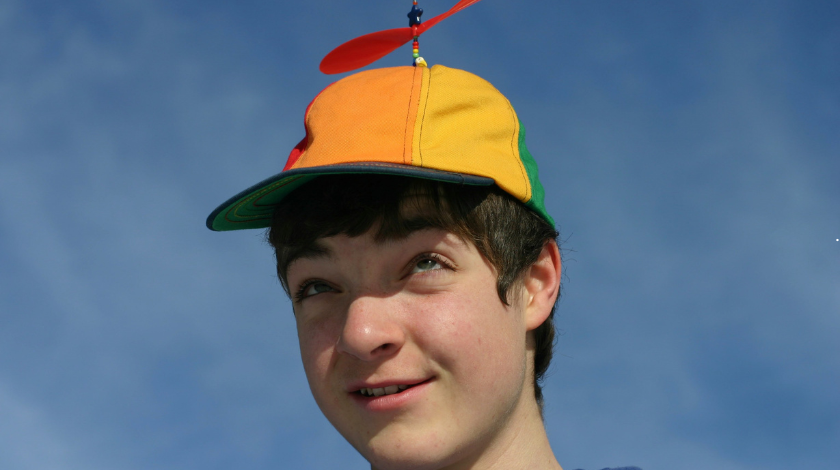
A propeller hat, often called a propeller beanie, is one of the most recognizable novelty hats ever created. The classic version features a colorful cap topped with a small plastic propeller that spins freely when the wearer moves or when a breeze catches it. Although it has never been intended as practical headwear, it has become a lasting symbol of humor, imagination, and playful creativity. Even people who have never worn one instantly recognize its cheerful appearance thanks to decades of cartoons, comics, movies, and television shows.
The earliest versions were actually brimless beanies rather than baseball caps. Over time, manufacturers introduced visor-style versions that became even more popular as novelty merchandise. Today you can find propeller hats in rainbow colors, solid shades, customized versions, and themed designs for parties, conventions, and promotional events. Some even include LED lights or oversized spinning blades for comic effect.
Key Features
- Small decorative propeller
- Bright multicolored panels
- Lightweight construction
- Comfortable adjustable fit
- Designed primarily for entertainment
Different Types
Modern propeller hats include traditional beanies, baseball-cap styles, foam costume hats, premium embroidered editions, and customized branded versions.
The Fascinating History of the Propeller Hat
The story behind the propeller hat is much more interesting than many people realize. According to multiple historical sources, science fiction fan and writer Ray Faraday Nelson created the original propeller beanie in the summer of 1947 while still in high school. He assembled it using model airplane parts, wire, beads, and a simple beanie as part of a humorous homemade science-fiction costume. What began as a playful experiment quickly became an inside joke among early science fiction enthusiasts and later evolved into a recognizable symbol of geek culture.
Television soon propelled the design into mainstream American culture. The puppet show Time for Beany, which debuted in 1949 and later aired nationally, featured the adventurous character Beany wearing a propeller beanie. Children loved the character, toy companies produced licensed merchandise, and the colorful hat became associated with youthful imagination. Later adaptations such as Beany and Cecil continued the trend, ensuring that generations of viewers associated spinning propellers with fun-loving cartoon characters.
The 1947 Origin Story
Historical interviews with Ray Faraday Nelson describe how the original hat was handcrafted from simple household materials during a science-fiction gathering in Michigan. Rather than serving any practical purpose, it represented playful futuristic imagination.
Rise Through Television
By the 1950s and early 1960s, millions of children had seen propeller hats on television, making them one of America’s most memorable novelty accessories.
Why the Propeller Hat Became a Cultural Icon
The propeller hat represents much more than a funny fashion accessory. It became shorthand for curiosity, intelligence, and youthful enthusiasm. Cartoonists discovered that adding a spinning propeller instantly communicated that a character was imaginative, energetic, or slightly eccentric. As visual storytelling evolved, the hat became one of the easiest ways to portray an enthusiastic young inventor or science-loving child.
The connection with science fiction also helped shape its identity. Early science-fiction fans embraced whimsical costumes and futuristic imagery long before cosplay became mainstream. The propeller beanie fit perfectly into that world because it looked playful while hinting at imaginary flying machines and futuristic inventions. Eventually the nickname “propellerhead” emerged, referring sometimes affectionately and sometimes jokingly—to technically minded people such as engineers and programmers. In later years, companies including Google became known for giving colorful propeller hats to new employees (“Nooglers”), reinforcing the hat’s association with technology culture.
Science Fiction Connection
Science-fiction fandom helped preserve the hat long after mainstream fashion moved on.
Cartoon Popularity
Animation transformed the propeller hat into an international symbol of playful childhood.
Propeller Hats in Modern Pop Culture
Although few people wear propeller hats as everyday clothing today, they continue appearing throughout entertainment. Costume shops, comic conventions, Halloween parties, school spirit events, and novelty gift stores regularly stock them because they remain instantly recognizable. Their exaggerated design makes them ideal visual comedy, allowing filmmakers and cartoonists to communicate humor without saying a word.
The hat has also enjoyed surprising appearances in professional sports and popular media. Berkeley-based company Interstellar Propeller has manufactured handcrafted propeller hats since the 1970s, reportedly selling well over a million units over the decades. Their colorful designs have appeared in films, commercials, sporting events, and promotional campaigns. Even though annual sales are much lower today than during their peak years, the hats remain a beloved novelty product and collector’s item.
| Era | Main Association | Popularity |
|---|---|---|
| 1940s | Science fiction fandom | Emerging |
| 1950s | Children’s television | Very High |
| 1960s | Cartoons and toys | High |
| 1980s–2000s | Geek culture | Moderate |
| Today | Novelty, cosplay, collectibles | Niche |
Tech Industry Influence
The hat’s playful symbolism made it a fitting welcome gift for new technology employees.
Movies and Television
Its appearance immediately signals comedy, eccentricity, or childlike enthusiasm.
Who Wears Propeller Hats Today?
Today’s propeller hat audience is surprisingly diverse. Collectors seek vintage examples from the 1950s and 1960s, while modern fans purchase updated versions for cosplay, comic conventions, maker fairs, and themed celebrations. Party organizers often include them in birthday events because they instantly create a lighthearted atmosphere.
Teachers occasionally use propeller hats during science demonstrations to encourage curiosity among younger students. Technology conferences sometimes feature them as playful references to programming culture. They also remain popular promotional giveaways because they naturally attract attention and encourage conversations. While no longer a fashion trend, their enduring appeal comes from the simple joy they inspire. Few accessories communicate fun as effectively as a brightly colored hat with a spinning propeller.
Collectors
Vintage television memorabilia and novelty hat enthusiasts actively collect original propeller beanies.
Cosplayers and Event Goers
Comic conventions and themed festivals continue introducing the hat to new generations.
How to Choose the Best Propeller Hat
Choosing a propeller hat depends largely on how you plan to use it. Casual partygoers may prefer inexpensive polyester versions with colorful segmented panels, while collectors often look for premium stitched hats with durable plastic propellers. Comfort matters as well, especially if you’ll wear the hat for several hours during conventions or festivals. Adjustable straps, breathable fabrics, and lightweight construction all contribute to a better experience.
If you’re buying for photography, vibrant colors stand out beautifully in pictures. Promotional events often benefit from custom logos or embroidered designs that transform a novelty accessory into memorable branded merchandise. Some modern versions even feature detachable propellers, making transportation easier while reducing the risk of breakage.
Materials
Cotton blends generally provide better comfort than thin synthetic fabrics.
Size and Comfort
Adjustable closures accommodate most adult and child head sizes.
Design Options
Choose between classic rainbow styles, minimalist colors, embroidered versions, or custom branding.
Fun Facts About Propeller Hats
The propeller hat has accumulated plenty of fascinating trivia over nearly eight decades. A giant propeller beanie was famously installed atop the Massachusetts Institute of Technology’s Great Dome by student hackers in 1996, becoming one of the school’s most memorable pranks. Meanwhile, collectors continue searching for vintage television merchandise connected with Time for Beany and Beany and Cecil.
Here are a few entertaining facts:
- The original propeller beanie dates back to 1947.
- It was invented by Ray Faraday Nelson.
- It became nationally famous through Time for Beany.
- Google popularized colorful propeller hats for new employees.
- Vintage propeller hats remain collectible today.
Conclusion
The propeller hat has survived because it represents something timeless: imagination. What began as a homemade science-fiction costume evolved into a television sensation, a cartoon icon, a symbol of geek culture, and a beloved novelty accessory. Few fashion items can claim such an unusual journey through history.
Although you’re unlikely to see propeller hats on everyday streets, they continue appearing wherever creativity and humor thrive. Whether worn at comic conventions, science fairs, costume parties, or simply for a laugh, the spinning propeller reminds people not to take life too seriously. That enduring charm explains why this whimsical little hat continues spinning its way through popular culture nearly eighty years after its invention.
FAQs
1. Who invented the propeller hat?
Ray Faraday Nelson is widely credited with inventing the original propeller beanie in 1947.
2. Why do propeller hats have propellers?
The propeller is decorative and playful, symbolizing imagination rather than actual flight.
3. Are propeller hats still popular?
They remain popular as novelty items, cosplay accessories, collectibles, and promotional merchandise.
4. Why are propeller hats associated with nerds?
The nickname “propellerhead” became linked with technically minded people, especially engineers and programmers.
5. Can you still buy propeller hats?
Yes. Modern propeller hats are widely available through costume retailers, novelty stores, and specialty manufacturers.