 By admin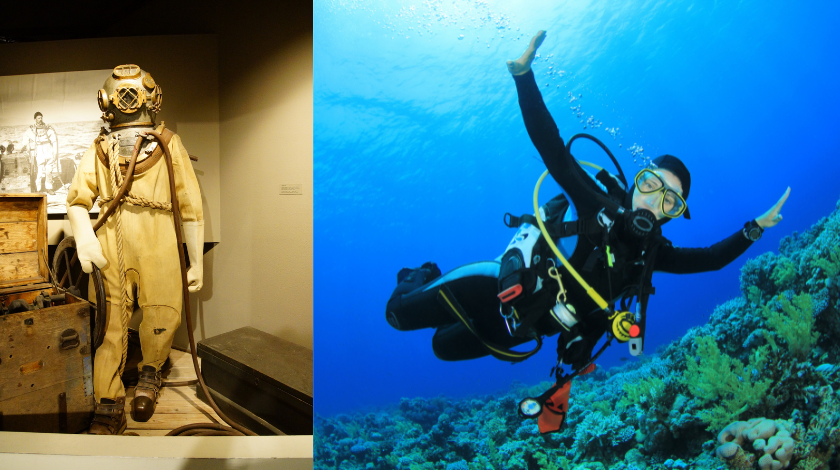
A diving suit is one of the most important pieces of equipment a diver owns. Whether someone is exploring colorful coral reefs, working underwater, studying marine life, or simply learning recreational scuba diving, the right suit can completely change the experience. The ocean is an incredible environment, but it is not naturally designed for humans. Water removes body heat much faster than air, pressure increases with depth, and underwater conditions can change quickly. A quality diving suit acts like a protective barrier between the diver and the underwater world, allowing people to stay comfortable, safe, and focused on exploration.
Many beginners assume that a diving suit is only designed to keep a person warm, but modern suits do much more. They provide thermal insulation, protect the skin from scratches and marine organisms, improve comfort during long dives, and help divers manage different underwater conditions. A diver exploring warm tropical waters may need a lightweight wetsuit, while someone diving in cold oceans may require a thick wetsuit or a specialized drysuit with additional insulation. Choosing the correct suit is similar to choosing outdoor clothing for extreme weather: the right equipment allows you to enjoy the environment instead of fighting against it.
The world of diving suits has evolved significantly over the years. Early divers relied on heavy traditional equipment, while today’s suits use advanced materials such as neoprene, laminated fabrics, and specialized waterproof membranes. Manufacturers continue developing designs that improve flexibility, durability, and thermal protection. Understanding how diving suits work helps divers make better decisions when purchasing equipment and ensures they select a suit that matches their specific needs.
What Is a Diving Suit?
A diving suit is a specialized garment designed to protect a person’s body while underwater. It is commonly used for scuba diving, freediving, commercial diving, military operations, underwater research, and marine maintenance work. The primary purpose of a diving suit is to reduce heat loss, but many designs also provide protection against environmental hazards.
Unlike ordinary clothing, diving suits are engineered to function under pressure and in environments where temperature control is challenging. Water conducts heat away from the human body much faster than air, which means even relatively warm water can eventually cause discomfort or hypothermia during extended periods. A diving suit slows this heat transfer by creating insulation around the body.
Different diving suits serve different purposes. A recreational diver swimming in warm tropical waters may only need a thin wetsuit, while a professional diver working in cold conditions may use a drysuit with specialized undergarments. The choice depends on water temperature, depth, activity level, dive duration, and personal comfort preferences.
The Purpose of a Diving Suit
The most important function of a diving suit is thermal protection. The human body loses heat rapidly in water, and staying warm underwater requires specialized equipment. A diving suit helps maintain body temperature by trapping insulation close to the skin or preventing water from contacting the body completely.
Wetsuits achieve this by allowing a thin layer of water to enter the suit. The diver’s body warms this water, creating an insulating layer between the skin and the surrounding environment. The thicker the neoprene material, the greater the insulation. This design works especially well in moderate to warm water conditions.
Drysuits operate differently. Instead of allowing water inside, they create a waterproof barrier that keeps the diver dry. Divers typically wear thermal layers underneath a drysuit to provide insulation. This makes drysuits ideal for cold-water diving because they allow divers to adjust their insulation depending on conditions.
A diving suit also protects against physical hazards. Underwater environments can contain sharp rocks, coral, rough surfaces, jellyfish, and other potential irritants. A suit provides an additional layer of protection, reducing the chance of minor injuries while exploring.
How Diving Suits Protect Divers
Protection underwater involves more than simply staying warm. Divers face several challenges, including changing temperatures, pressure differences, and unpredictable environments. A well-designed diving suit helps manage these challenges by creating a controlled environment around the diver’s body.
Many diving suits use flexible materials that maintain protection without restricting movement. Mobility is extremely important because divers rely on their arms and legs for swimming, controlling equipment, and maintaining position underwater. A poorly fitting suit can make movement difficult and increase fatigue.
Modern suits also improve safety by increasing visibility. Some designs include bright colors or reflective sections that make divers easier to identify in low-visibility conditions. This is especially valuable for groups of divers, rescue teams, and professional underwater workers.
A diving suit can also improve psychological comfort. Feeling warm and protected allows divers to focus on navigation, marine observation, photography, or technical tasks rather than constantly worrying about discomfort. In many ways, a good suit becomes an extension of the diver’s body, allowing them to interact with the underwater world more naturally.
Different Types of Diving Suits
Wetsuits
A wetsuit is the most common type of diving suit used by recreational divers around the world. It is made primarily from neoprene, a synthetic rubber material containing tiny gas bubbles that provide insulation. Wetsuits are popular because they are relatively affordable, flexible, lightweight, and suitable for many diving environments.
The thickness of a wetsuit determines how much warmth it provides. Thin suits, often around 1–2 millimeters thick, are designed for warm tropical waters. Medium-thickness suits provide more insulation for cooler conditions, while thick wetsuits are used in colder environments where additional protection is necessary.
Wetsuits come in several styles, including:
- Shorty wetsuits: Cover the torso and upper legs, ideal for warm water.
- Full wetsuits: Cover the entire body and provide more protection.
- Two-piece wetsuits: Combine separate tops and bottoms for extra flexibility.
One of the biggest advantages of wetsuits is their freedom of movement. Freedivers, surfers, and scuba divers often prefer them because they allow natural swimming motion. However, wetsuits become less effective as depth increases because water pressure compresses the neoprene, reducing insulation.
Drysuits
A drysuit is designed to keep the diver completely dry by creating a waterproof barrier. Unlike wetsuits, drysuits do not depend on trapped water for insulation. Instead, divers wear thermal clothing underneath the suit to control warmth.
Drysuits are commonly used for:
- Cold-water scuba diving
- Technical diving
- Scientific research
- Commercial underwater work
- Ice diving
The major advantage of a drysuit is versatility. A diver can adjust insulation by changing the layers worn underneath. This makes drysuits suitable for a wide range of temperatures.
Modern drysuits are typically made from materials such as neoprene, trilaminate fabrics, or rubberized materials. They include waterproof seals around the wrists and neck to prevent water entry. Many also feature integrated boots, pockets, and specialized valves that allow divers to manage buoyancy.
Although drysuits provide excellent protection, they require additional training. Divers must learn how to control air movement inside the suit because trapped air can affect buoyancy and underwater position.
Semi-Dry Suits
A semi-dry suit is a middle option between a traditional wetsuit and a full drysuit. It is designed for divers who need more warmth than a standard wetsuit provides but do not require the complete dryness of a drysuit. Semi-dry suits use thicker neoprene materials and improved sealing systems around the wrists, ankles, and neck to reduce water circulation inside the suit. Instead of allowing continuous water exchange, these seals limit movement of water, helping the diver retain body heat for longer periods.
Semi-dry suits are especially popular among recreational divers who explore cooler waters but still prefer the flexibility and simplicity of a wetsuit-style design. They are often used in locations where water temperatures are too cold for thin wetsuits but not extreme enough to require a drysuit. Many divers appreciate the balance they provide because they offer increased warmth without the additional maintenance and training requirements associated with drysuits.
The effectiveness of a semi-dry suit depends heavily on proper fit. A suit that is too loose allows water to circulate, reducing insulation, while a suit that is too tight can restrict movement and create discomfort. The best semi-dry suits create a snug fit while still allowing comfortable breathing, swimming, and equipment use.
For divers who frequently travel between warm and moderately cold destinations, a semi-dry suit can be a practical investment. It provides a versatile solution for many diving conditions and offers a comfortable transition for divers who may eventually move toward drysuit diving.
How Diving Suits Work
Materials Used in Diving Suits
The materials used in diving suits determine their performance, comfort, and durability. Modern diving suits are made from carefully engineered fabrics designed to handle underwater pressure, temperature changes, and repeated use. The most common material is neoprene, a synthetic rubber that revolutionized diving equipment because of its excellent insulation properties.
Neoprene works because it contains thousands of tiny gas bubbles trapped inside the material. These bubbles slow the movement of heat away from the diver’s body, creating insulation. Different neoprene thicknesses provide different levels of warmth, which is why diving suits come in various thickness options.
Manufacturers also improve neoprene by adding features such as:
- Flexible stretch panels for better movement
- Reinforced knee areas for durability
- Smooth interior surfaces for easier fitting
- Specialized coatings for improved water resistance
High-quality wetsuits often use advanced neoprene blends that provide greater flexibility while maintaining insulation. This is important because diving requires constant movement, and stiff materials can quickly become uncomfortable.
Drysuits use different material technologies. Some are made from compressed neoprene, which provides insulation and durability. Others use trilaminate materials made from multiple layers of waterproof fabric. Trilaminate suits are popular among technical divers because they are lightweight, durable, and allow better control over insulation.
The choice of material affects everything from comfort to lifespan. A professional diver who spends hundreds of hours underwater will have different requirements than someone who dives occasionally on vacation. Understanding materials helps divers select equipment that matches their diving style.
Insulation and Temperature Control
Temperature control is the central purpose of any diving suit. Even in water that feels comfortable at the surface, the human body loses heat much faster underwater. This happens because water conducts heat away from the body more efficiently than air. Without protection, a diver can become cold, tired, and less focused.
Wetsuits manage temperature through insulation and controlled water movement. When a diver enters the water, a small amount of water enters the suit. The body warms this water, and the trapped layer acts like insulation. The thicker the neoprene, the more heat retention the suit provides.
However, several factors influence how warm a diver feels:
- Water temperature
- Depth of the dive
- Length of the dive
- Physical activity level
- Body type and metabolism
- Personal cold tolerance
Depth also affects wetsuit performance. As a diver descends, increasing pressure compresses the neoprene material, reducing the size of the insulating bubbles. This means a wetsuit may provide less warmth during deeper dives compared with the surface.
Drysuits solve this problem by maintaining a dry environment around the diver’s body. The diver controls warmth by selecting appropriate undergarments. For example, a diver might wear lightweight thermal clothing for a cool-water dive or thicker insulating layers for extremely cold conditions.
Choosing the correct thermal protection is not just about comfort; it is also about safety. A cold diver may experience reduced concentration, slower reactions, and increased air consumption. A properly selected diving suit helps maintain energy levels and allows divers to enjoy longer, safer underwater experiences.
Choosing the Right Diving Suit
Factors to Consider Before Buying
Selecting the right diving suit requires more thought than simply choosing the thickest option available. The best suit depends on where, how often, and under what conditions a person plans to dive. A suit designed for tropical vacation diving may be completely unsuitable for cold-water exploration.
The first factor to consider is water temperature. Divers should choose equipment based on the actual temperatures they will encounter rather than the conditions they hope to experience. A thin wetsuit may work perfectly in warm Caribbean waters but provide insufficient protection in colder oceans.
Fit is another critical factor. A diving suit should feel snug without restricting movement. Gaps around the neck, wrists, or ankles allow water circulation and reduce warmth. On the other hand, a suit that is excessively tight can become uncomfortable and may interfere with breathing or movement.
Divers should also consider their experience level. Beginners often benefit from simple, reliable designs that are easy to put on and maintain. More advanced divers may require specialized equipment for technical dives, deeper exploration, or extreme environments.
Other important considerations include:
- Frequency of diving
- Budget
- Suit durability
- Ease of repair
- Storage requirements
- Personal comfort preferences
A diving suit is an investment in safety and enjoyment. Spending time researching options before buying can prevent discomfort and unnecessary replacement costs later.
Diving Environment and Suit Selection
The underwater environment determines the type of protection a diver needs. Tropical reefs, temperate coastlines, deep wreck sites, and polar waters all present different challenges.
For warm-water diving, many divers choose lightweight wetsuits or short suits. These provide protection from sun exposure, minor scratches, and marine organisms while preventing overheating. Warm-water divers usually prioritize flexibility and comfort.
Temperate waters require more insulation. A thicker wetsuit, semi-dry suit, or drysuit may be necessary depending on seasonal temperatures. Many popular diving destinations have water conditions that change throughout the year, making versatile equipment valuable.
Cold-water environments require serious thermal planning. Divers exploring locations with very low temperatures often rely on drysuits combined with specialized insulation layers. These environments may include ice diving, scientific expeditions, and professional underwater operations.
The type of diving also matters. A photographer who spends long periods staying still may become colder than an active swimmer. A technical diver managing equipment at depth may need different features compared with a recreational diver exploring shallow reefs.
The perfect diving suit is not necessarily the most expensive or advanced model. It is the one that matches the diver’s actual needs and provides reliable protection in the environments where it will be used.
Diving Suit Features and Technology
Modern Design Improvements
Diving suit technology has improved significantly over recent decades. Manufacturers continue developing materials and designs that make diving safer, warmer, and more comfortable. Modern suits are lighter, more flexible, and more durable than earlier versions.
One major improvement has been the development of high-stretch neoprene. Traditional neoprene could feel restrictive, but newer materials allow greater freedom of movement. This improvement is especially valuable for divers who spend long periods underwater or perform technical tasks.
Other modern features include:
- Improved waterproof seals
- Integrated loading systems
- Reinforced high-wear areas
- Ergonomic panel designs
- Quick-drying interior materials
Many manufacturers now focus on sustainability as well. Some companies are developing environmentally conscious materials and production methods to reduce the impact of diving equipment manufacturing.
Technology has also improved the experience of putting on and removing suits. Older designs could be difficult to wear, but modern suits often include flexible panels and improved zippers that make preparation easier.
Safety and Comfort Features
Comfort and safety are closely connected in diving equipment. A comfortable diver is more likely to remain calm, conserve energy, and make better decisions underwater.
Many diving suits include reinforced areas around the knees, elbows, and shoulders because these areas experience repeated stress. Divers often kneel on underwater surfaces, interact with equipment, or move through confined spaces, making durability essential.
Some suits include built-in pockets, which are useful for carrying accessories such as underwater tools, markers, or emergency equipment. Others include textured surfaces that improve grip when handling gear.
The best diving suits combine protection with flexibility. A suit that keeps a diver warm but prevents natural movement can create new challenges. Modern designs aim to provide a balance between insulation, mobility, and durability.
How to Maintain a Diving Suit
Cleaning and Storage Tips
A diving suit is a significant investment, and proper maintenance can greatly extend its lifespan. Whether you use a wetsuit, semi-dry suit, or drysuit, regular care helps preserve the materials, seals, and protective features that keep you comfortable underwater. Many divers focus heavily on choosing the right equipment but overlook the importance of maintaining it after each dive. A well-maintained diving suit can provide years of reliable performance, while a neglected suit may lose flexibility, develop unpleasant odors, or experience damage much sooner.
The first step after every dive is rinsing the suit thoroughly with fresh water. Saltwater, chlorine, sand, and other particles can gradually damage neoprene and weaken seals if they are left on the material. Divers should gently rinse both the outside and inside of the suit, paying special attention to zippers, cuffs, and seams. For wetsuits, using specialized wetsuit shampoo occasionally can help remove bacteria and odors without damaging the neoprene.
Drying the suit correctly is equally important. A diving suit should never be left folded, crumpled, or exposed to intense direct sunlight for long periods. Ultraviolet rays can weaken materials over time. The best method is to hang the suit in a shaded, ventilated area using a wide hanger that supports the weight without stretching the shoulders.
Storage also matters during long periods when the suit is not being used. A drysuit should be stored according to manufacturer recommendations, especially around latex seals and zippers. Wetsuits should be stored flat or loosely hung to avoid permanent creases. Taking small maintenance steps after each dive prevents expensive repairs and ensures the suit remains ready for future adventures.
Extending Suit Lifespan
A diving suit’s lifespan depends on how often it is used, the environments it is exposed to, and how carefully it is maintained. Recreational divers who only dive occasionally may keep a wetsuit for many years, while professional divers who use equipment daily may replace parts or entire suits more frequently.
One of the best ways to extend the life of a diving suit is handling it carefully. Many damages occur before or after the dive rather than underwater. Pulling aggressively on seals, using sharp objects near neoprene, or forcing zippers can create unnecessary wear.
Common maintenance practices include:
- Checking seams regularly for damage
- Inspecting zippers before and after dives
- Repairing small tears quickly
- Avoiding unnecessary exposure to heat and chemicals
- Following manufacturer care instructions
Small problems can become major failures if ignored. A tiny tear in neoprene can expand, and a damaged zipper can compromise a drysuit’s waterproof ability. Addressing issues early is usually much cheaper than replacing an entire suit.
Professional divers often keep repair kits available because equipment reliability is essential. Recreational divers can also benefit from learning basic repairs, although serious damage should be handled by qualified technicians.
A diving suit is not just clothing; it is safety equipment. Treating it with the same care as a regulator, buoyancy device, or dive computer helps ensure dependable performance whenever you enter the water.
Common Mistakes When Using Diving Suits
Many diving problems happen because people misunderstand how suits are designed to work. Even an expensive, high-quality diving suit cannot perform properly if it is used incorrectly. Learning proper techniques improves comfort, safety, and overall diving enjoyment.
One common mistake is choosing a suit based only on price or appearance. A stylish suit that does not match the diving environment may provide poor protection. Divers should always prioritize fit, temperature rating, and intended use over visual features.
Another frequent mistake is buying the wrong size. Some people assume a looser suit will be more comfortable, but excessive space allows water movement and reduces insulation. Others choose suits that are too tight, causing discomfort and restricting movement. The correct fit should feel secure while still allowing natural mobility.
Improper preparation is another issue. Divers sometimes rush when putting on their suits and accidentally damage seals or seams. Taking time to carefully position the suit reduces unnecessary stress on the material.
Additional mistakes include:
- Failing to rinse the suit after diving
- Leaving the suit in direct sunlight
- Ignoring small repairs
- Using incorrect cleaning products
- Not practicing buoyancy control with a new suit
Drysuit users face additional challenges because they must learn how air movement affects buoyancy. A diver who does not understand drysuit techniques may struggle with comfort and control. Proper training and practice are essential.
The best diving equipment only works when the diver understands how to use it. Education, preparation, and maintenance are just as important as the suit itself.
Best Diving Suit Options for Different Divers
There is no single “best” diving suit for everyone. The ideal choice depends on experience, diving location, budget, and personal preferences. A beginner exploring warm vacation destinations will have very different needs compared with a professional working in cold water.
| Diver Type | Recommended Suit | Best For |
|---|---|---|
| Tropical recreational diver | Lightweight wetsuit | Warm oceans, reefs, vacation diving |
| Beginner cold-water diver | Thick wetsuit or semi-dry suit | Moderate temperatures and local diving |
| Technical diver | High-quality drysuit | Deep dives, long-duration exploration |
| Professional underwater worker | Commercial-grade drysuit | Industrial and scientific operations |
| Freediver | Flexible neoprene wetsuit | Maximum movement and breath control |
For beginners, a comfortable full wetsuit is often the best starting point. It offers protection, flexibility, and simplicity without requiring advanced training. Many new divers prefer wetsuits because they are easier to manage and maintain.
Experienced divers who explore different environments may eventually own multiple suits. A warm-water wetsuit, a thicker cold-water option, and a drysuit can provide flexibility throughout the year.
Technical and professional divers usually prioritize reliability above everything else. Their equipment must perform in challenging conditions where failure is not an option. These divers often choose premium suits with advanced materials, reinforced construction, and specialized features.
Traveling divers should also consider portability. A lightweight wetsuit is easier to pack than a bulky drysuit system. However, comfort and safety should always come before convenience.
Choosing a diving suit is a personal decision. The best equipment is the suit that allows you to focus on exploring the underwater world with confidence.
Conclusion
A diving suit is much more than a simple piece of protective clothing. It is a carefully designed piece of technology that allows humans to safely experience an environment where our bodies are naturally vulnerable. From tropical reef exploration to deep cold-water adventures, the right suit provides essential protection against heat loss, environmental hazards, and physical discomfort.
Understanding the differences between wetsuits, semi-dry suits, and drysuits helps divers make smarter decisions. Each type serves a specific purpose, and the ideal choice depends on water temperature, diving style, experience level, and personal comfort. A beginner enjoying warm waters may need only a simple wetsuit, while a professional diver working in extreme conditions may require a specialized drysuit system.
Modern diving suits continue to improve through advanced materials, better designs, and increased focus on comfort and sustainability. Features such as flexible neoprene, improved seals, reinforced panels, and ergonomic designs have transformed diving equipment into highly efficient protective systems.
Proper maintenance is just as important as selecting the right suit. Cleaning, drying, storing, and repairing equipment regularly ensures better performance and longer lifespan. A diving suit represents an investment in safety and underwater enjoyment, making responsible care essential.
Whether you are planning your first scuba adventure or preparing for professional underwater work, understanding diving suits helps you choose equipment that matches your goals. The ocean offers incredible experiences, and the right diving suit helps you explore those experiences comfortably, safely, and confidently.
Frequently Asked Questions (FAQs)
1. What is the main purpose of a diving suit?
The main purpose of a diving suit is to protect the diver from cold temperatures and underwater conditions. It helps reduce heat loss, improves comfort, and provides protection from scratches, marine life, and environmental hazards.
2. Should I choose a wetsuit or a drysuit?
The choice depends on your diving environment. Wetsuits are suitable for warm and moderate temperatures, while drysuits are better for cold water because they keep the diver completely dry and allow additional insulation layers.
3. How long does a diving suit usually last?
A diving suit can last anywhere from several years to a decade or more depending on usage, quality, and maintenance. Proper cleaning, storage, and repairs significantly increase its lifespan.
4. Can beginners use drysuits?
Yes, beginners can learn to use drysuits, but proper training is recommended. Drysuits require additional skills because air movement inside the suit affects buoyancy control.
5. How do I know what thickness diving suit I need?
Suit thickness depends on water temperature, dive duration, activity level, and personal cold tolerance. Warmer waters usually require thinner suits, while colder conditions require thicker wetsuits or drysuits.